
Beginner's Guide to Online Self-Defense: What You Need to Know


Understanding Online Threats
In today's digital age, being aware of online threats is crucial for maintaining your privacy and security. Cybercriminals are constantly developing new methods to exploit vulnerabilities, making it essential for everyone to learn the basics of online self-defense.
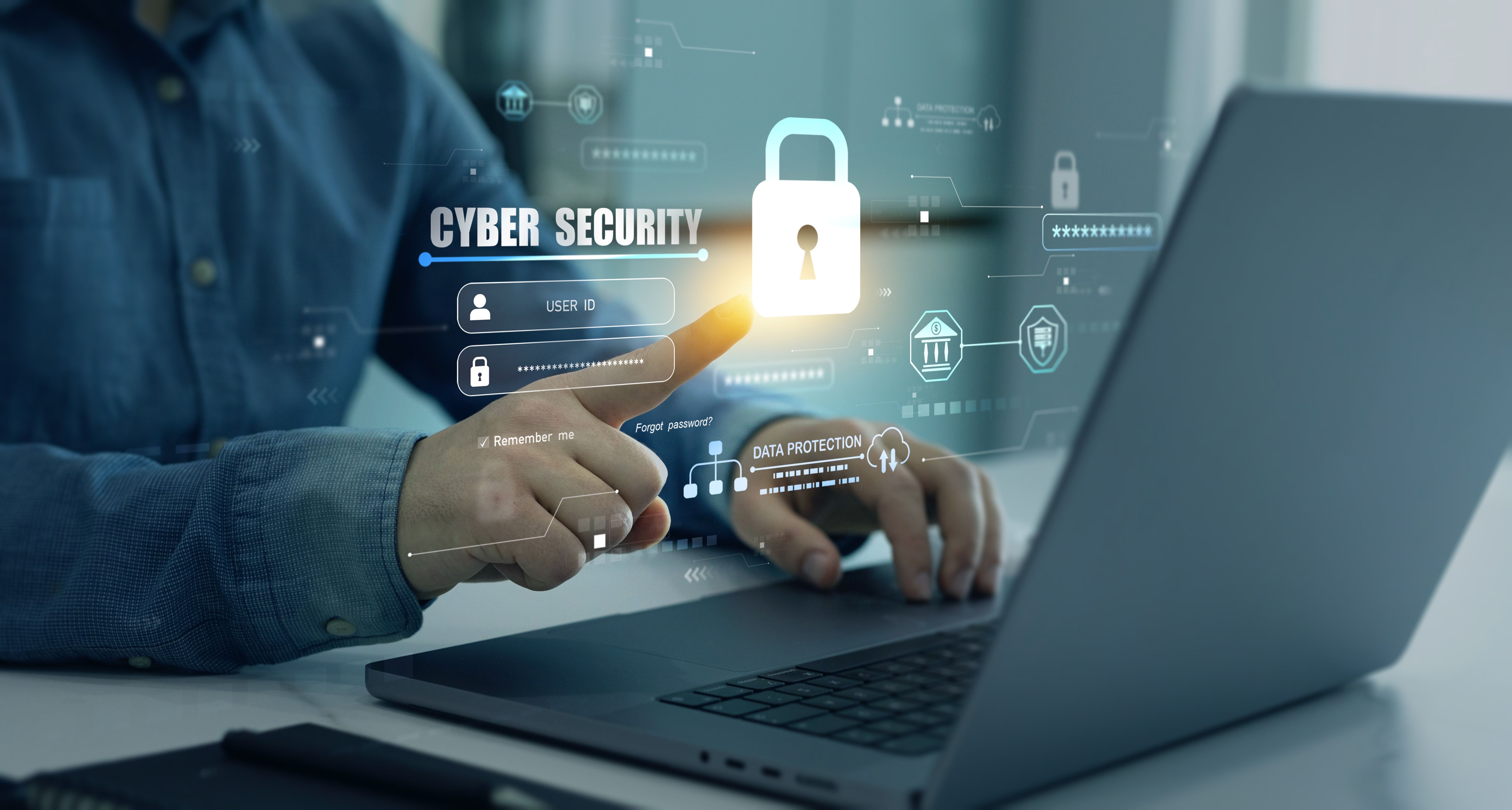
Common threats include phishing attacks, malware, and identity theft. By understanding these risks, you can take proactive steps to protect yourself. Recognizing suspicious emails and websites is a crucial first line of defense.
Creating Strong Passwords
One of the simplest yet most effective ways to secure your online accounts is by using strong passwords. A strong password should be at least 12 characters long and include a mix of letters, numbers, and special symbols. Avoid using easily guessed information such as birthdays or common words.
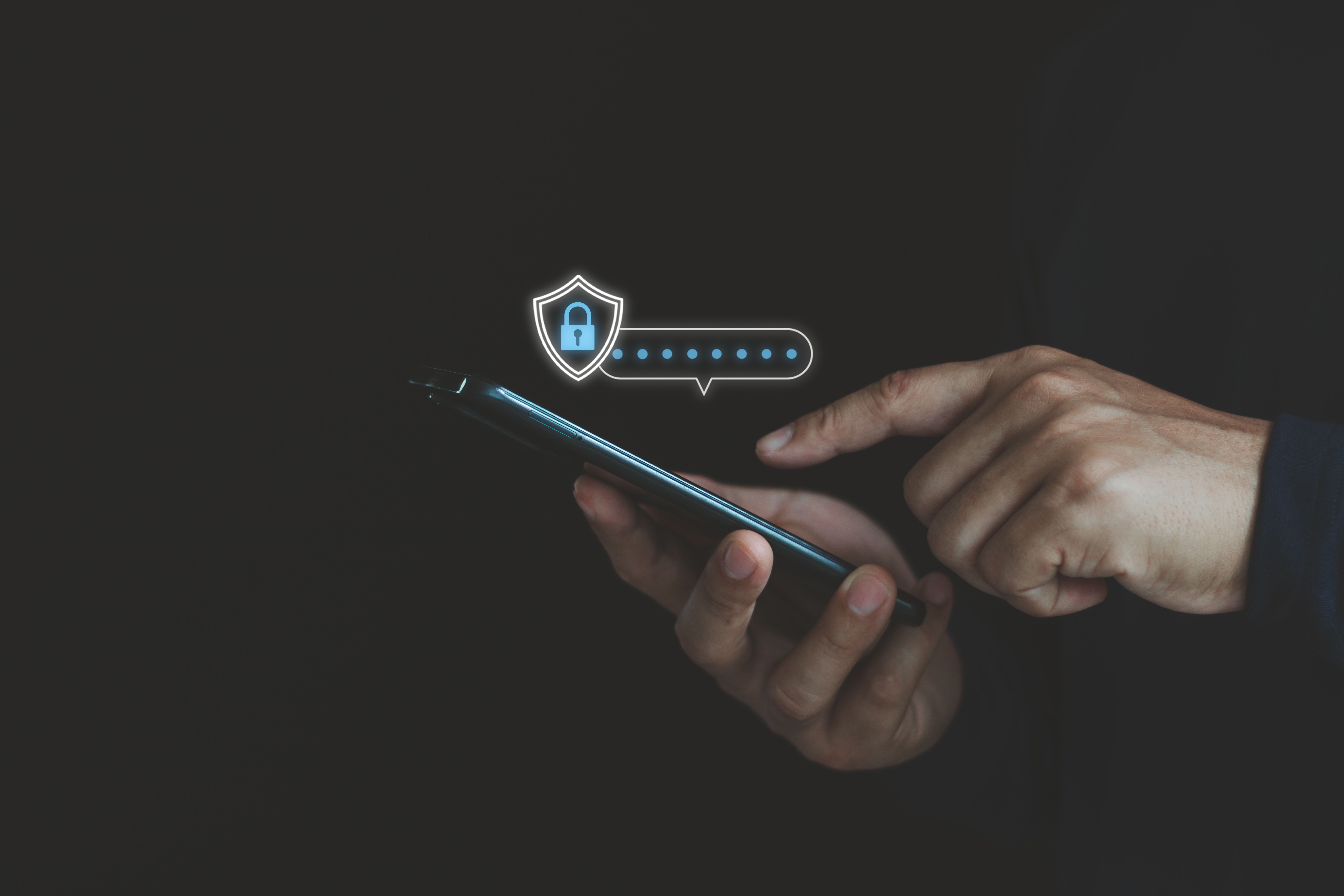
Consider using a password manager to keep track of your credentials. This tool can generate complex passwords and store them securely, reducing the risk of forgetting them.
Enabling Two-Factor Authentication
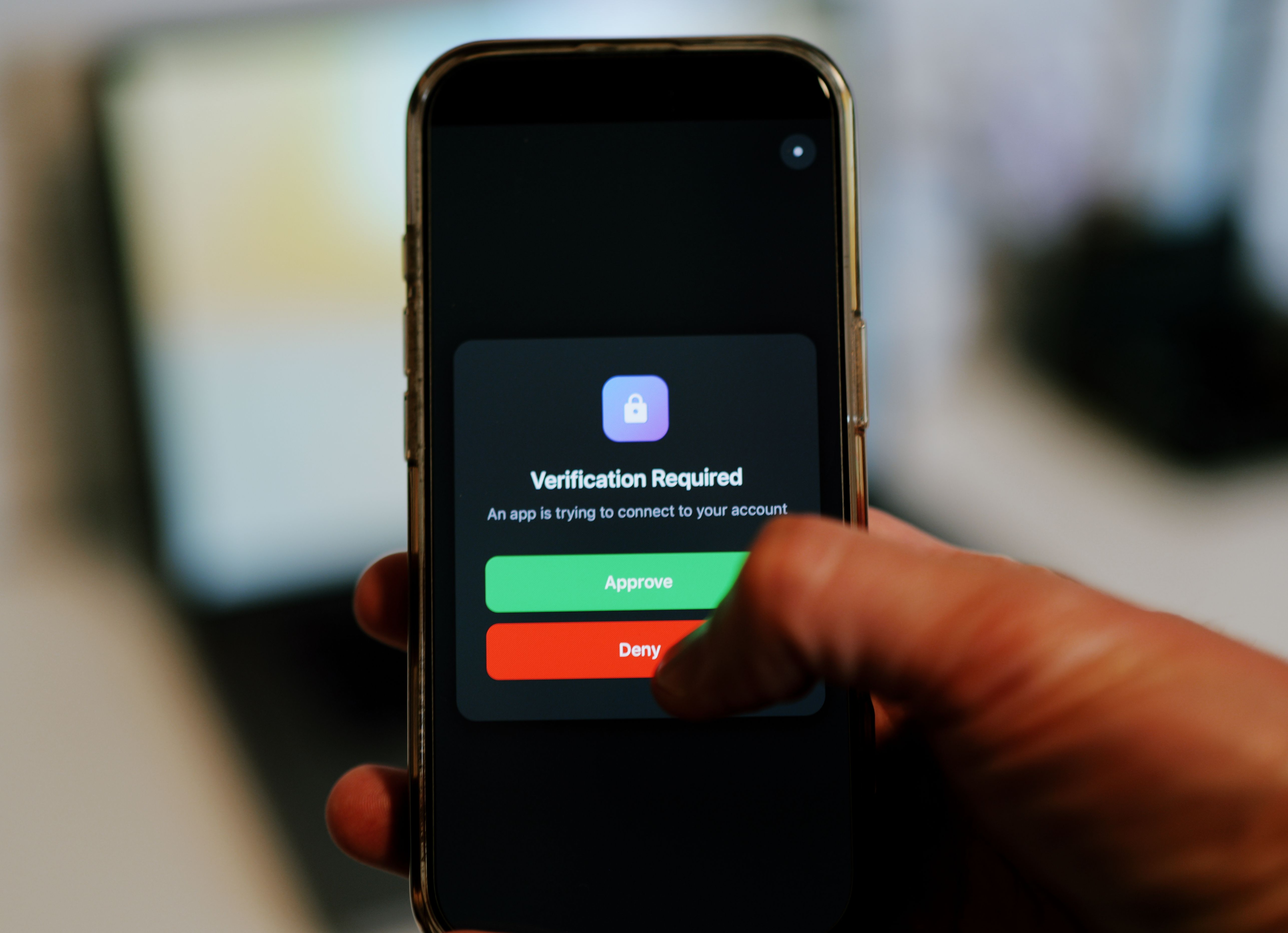
Two-factor authentication (2FA) adds an extra layer of security to your online accounts. By requiring a second form of verification—such as a text message code or authentication app—you can significantly reduce the chances of unauthorized access.
Ensure that 2FA is enabled for all accounts that offer it. This small step can make a big difference in protecting your sensitive information.
Recognizing Phishing Attempts
Phishing attempts are designed to trick you into providing personal information. These scams often come in the form of emails that appear to be from legitimate sources, asking you to verify accounts or reset passwords. Always verify the sender's email address and look for signs of suspicious activity.
If in doubt, contact the company directly using official channels. Never click on links or download attachments from unknown sources.
Maintaining Software Updates
Keeping your software up-to-date is a vital part of online self-defense. Software updates often include patches for security vulnerabilities that could be exploited by hackers. Regularly check for updates on your operating system, browsers, and applications.

Consider enabling automatic updates to ensure you are always protected with the latest security features.
Using Secure Networks
Public Wi-Fi networks can pose significant security risks, as they are often unsecured. When accessing sensitive information, use a virtual private network (VPN) to encrypt your data and protect your privacy. A VPN can mask your IP address and make it harder for cybercriminals to intercept your information.
At home, ensure your Wi-Fi network is secured with a strong password and WPA3 encryption.
Being Mindful of Social Media
Social media platforms can be a goldmine for hackers looking to gather personal information. Be cautious about what you share online and adjust your privacy settings to limit the visibility of your posts. Avoid sharing sensitive details such as your location, travel plans, or personal identifiers.

Regularly review your friend list and remove any contacts you do not recognize or trust.
Conclusion
By understanding and implementing these basic online self-defense strategies, you can significantly enhance your digital security. Stay informed about new threats and continuously update your knowledge to keep your online presence safe. Remember, taking small steps now can prevent significant headaches later.