
Busting Common Myths About Martial Arts Training


Introduction
Martial arts training is often surrounded by a cloud of misconceptions. These myths can deter people from starting their journey or lead to misunderstandings about what martial arts truly involve. It's time to clear the air and bust some of the most common myths about martial arts training.
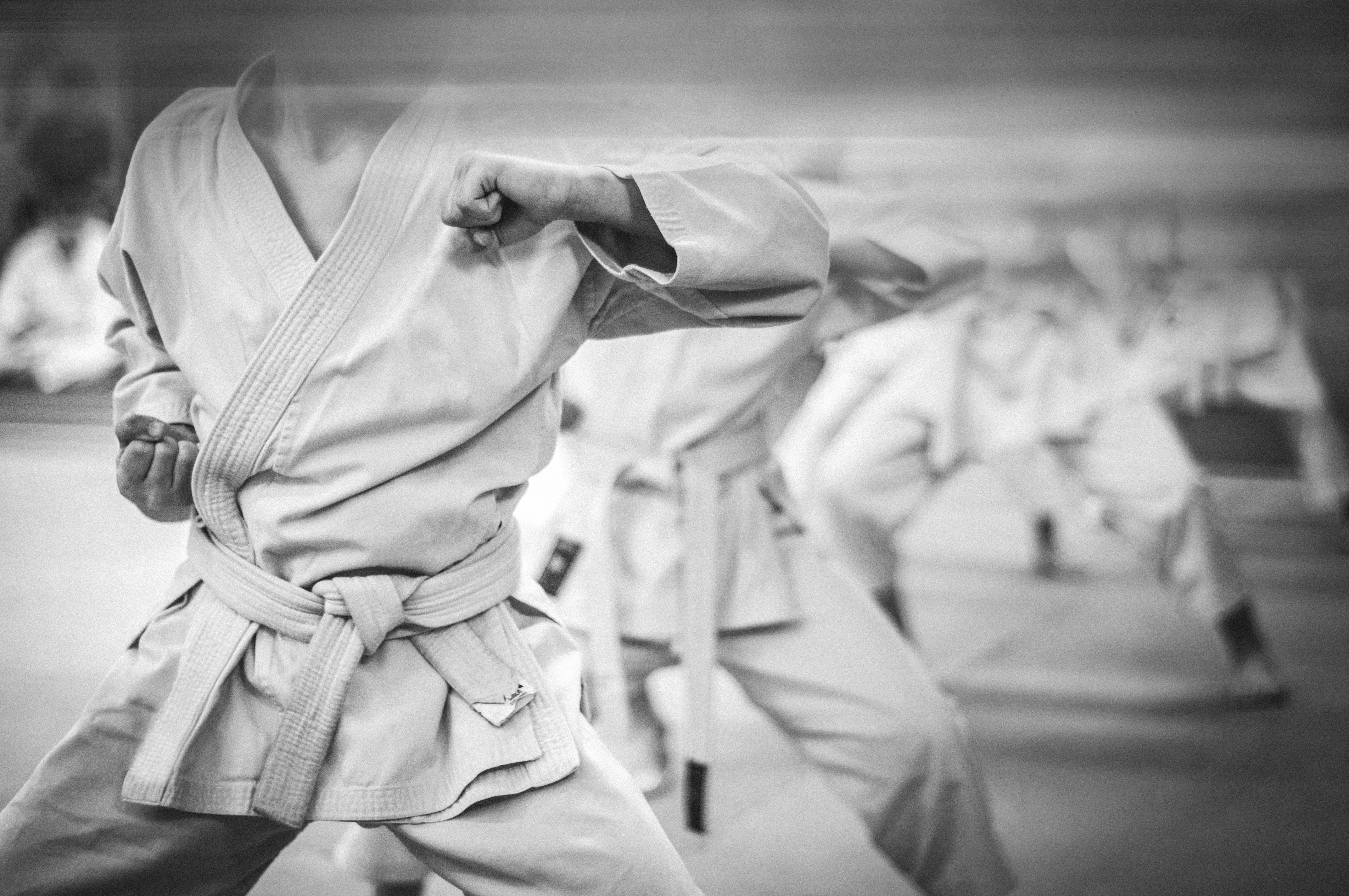
Myth 1: Martial Arts Promote Violence
A prevalent myth is that martial arts encourage violence. In reality, martial arts promote **discipline, respect, and self-control**. Practitioners are taught to use their skills responsibly and only in self-defense situations. The focus is on conflict resolution and personal development rather than aggression.
Myth 2: You Need to Be in Shape to Start
Many people believe they need to be fit before starting martial arts. This is not true. Martial arts training is designed to accommodate all fitness levels. Whether you're a complete beginner or an experienced athlete, martial arts can help you build strength, flexibility, and endurance over time.

Training Benefits
- Improves cardiovascular health
- Enhances mental focus
- Boosts self-esteem and confidence
Myth 3: It's Only for Young People
Another misconception is that martial arts are only for the young. In fact, people of all ages can benefit from martial arts training. Many schools offer classes tailored to various age groups, ensuring that everyone, from children to seniors, can enjoy the practice.
Myth 4: Martial Arts Are Only About Fighting
While martial arts do involve self-defense techniques, they encompass much more. They are a holistic discipline that includes **physical, mental, and spiritual growth**. Training often involves meditation, breathing exercises, and philosophy, fostering a well-rounded development.

Elements Beyond Fighting
- Meditation and mindfulness
- Philosophical teachings
- Community and camaraderie
Myth 5: You Can Become a Master Quickly
Some believe that mastering martial arts can be achieved quickly. In reality, becoming proficient takes time, dedication, and consistent practice. Martial arts is a journey, not a destination, and each step offers valuable lessons and personal growth.
In conclusion, martial arts training is a rewarding endeavor that transcends the myths often associated with it. By understanding the truth behind these misconceptions, more people can appreciate the diverse benefits that martial arts offer.