
Common Misconceptions About Martial Arts: Debunking Myths


Martial Arts Are Only for Self-Defense
One of the most prevalent myths about martial arts is that they are solely for self-defense. While self-defense is undoubtedly a crucial aspect, martial arts encompass a much broader range of benefits. Practitioners often engage in martial arts for physical fitness, mental discipline, and personal development. The practice promotes a healthy lifestyle and can be a lifelong pursuit.
In addition to self-defense, martial arts teach valuable life skills such as perseverance, respect, and focus. These disciplines can positively impact various areas of life, from professional environments to personal relationships.
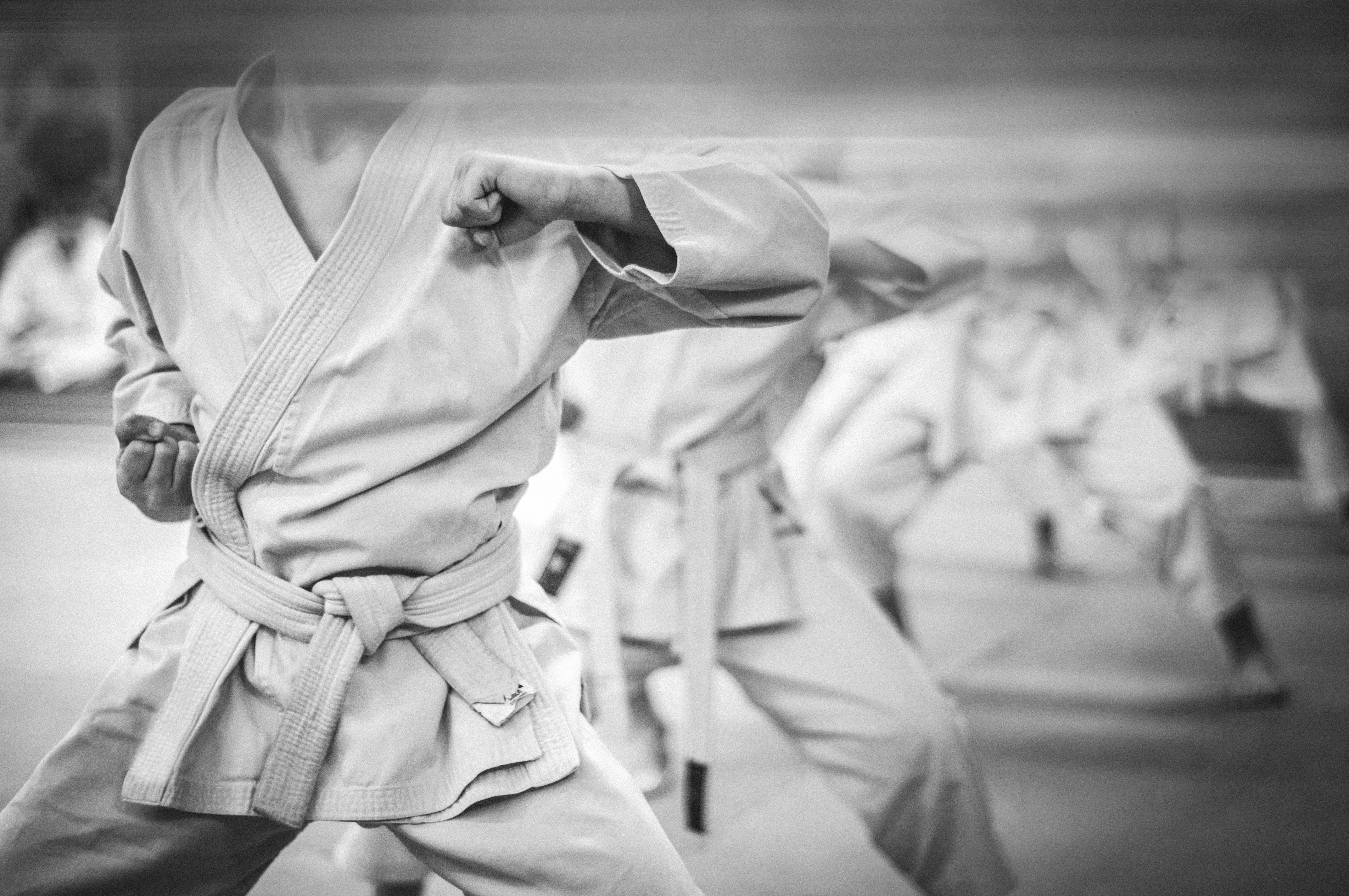
You Need to Be in Top Physical Shape to Start
It's a common belief that you must be in excellent physical condition before beginning martial arts. However, this is far from the truth. Martial arts are accessible to individuals of all fitness levels. In fact, many people start their martial arts journey to improve their fitness, flexibility, and overall health.
Martial arts classes are typically tailored to accommodate beginners and allow individuals to progress at their own pace. As you continue to practice, you'll naturally build strength and endurance.
Martial Arts Are Only for the Young
Another misconception is that martial arts are only suitable for young people. In reality, martial arts can be practiced by individuals of any age. Many schools offer classes specifically designed for children, adults, and even seniors. These age-specific classes focus on appropriate techniques and activities.

Older practitioners often find martial arts beneficial for maintaining mobility, balance, and mental sharpness. It's never too late to start, and the benefits can be profound regardless of age.
Martial Arts Promote Violence
Some people mistakenly believe that martial arts encourage violence. On the contrary, martial arts emphasize self-control, respect, and non-violence. The teachings often focus on conflict resolution and avoiding physical confrontations whenever possible.
Practitioners are taught to use their skills responsibly and only as a last resort. The discipline gained through martial arts often leads to more peaceful interactions.

All Martial Arts Are the Same
Many assume that all martial arts are the same, but there are numerous styles, each with unique techniques and philosophies. From the striking techniques of Karate and Taekwondo to the grappling of Brazilian Jiu-Jitsu and Judo, each discipline offers something different.
Exploring different martial arts can provide a more comprehensive understanding of self-defense and personal growth. Choosing the right style depends on personal interests and goals.
Conclusion: Embrace the Diversity of Martial Arts
Understanding the reality behind these common misconceptions can open the door to the rich and diverse world of martial arts. Whether you're looking for self-defense, fitness, or personal growth, martial arts offer a rewarding path suitable for all ages and abilities.
By debunking these myths, we hope to encourage more people to explore and appreciate the true essence of martial arts.