
How Martial Arts Classes Boost Confidence and Discipline in Children


Parents often seek activities that will positively impact their children's development. Among the myriad of options, martial arts classes stand out as a unique avenue for fostering confidence and discipline in young minds. These classes offer more than just physical training; they provide valuable life skills that children carry into adulthood.
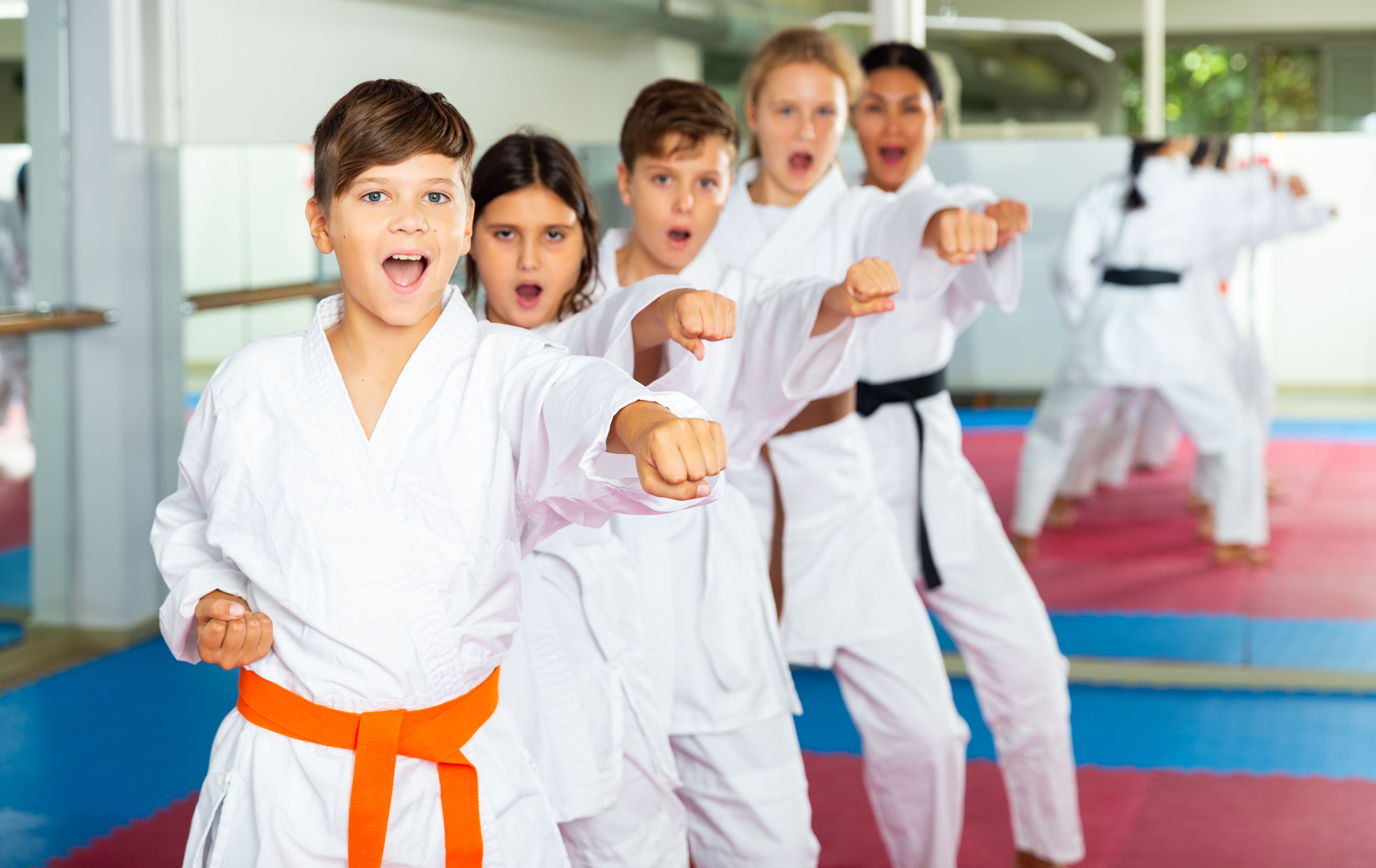
Building Confidence Through Martial Arts
One of the most significant benefits of martial arts is its ability to boost a child's confidence. As children learn new techniques and advance through different belt levels, they experience a sense of accomplishment. This progress helps them realize their potential, fostering self-esteem and belief in their abilities.
Additionally, martial arts classes often involve public demonstrations or competitions, offering children the chance to showcase their skills. These experiences help them overcome stage fright and develop the confidence to perform under pressure, a trait that is invaluable in both academic and social settings.
Setting and Achieving Goals
Martial arts training is inherently goal-oriented. Whether it's mastering a new move or earning the next belt, children are constantly setting and achieving goals. This process teaches them the importance of perseverance and dedication. They learn that hard work and consistent effort lead to success, building a strong foundation for future endeavors.

Instilling Discipline and Focus
Discipline is a core component of martial arts. From the moment children step onto the mat, they are taught to respect their instructors and peers. This structured environment helps instill a sense of discipline, which translates into other areas of their lives, such as schoolwork and household responsibilities.
Moreover, martial arts require intense focus and concentration. Children must pay attention to instructions and execute techniques with precision. This practice enhances their ability to concentrate on tasks, improving their academic performance and attention span.
Encouraging Respect and Responsibility
Respect is a fundamental value taught in martial arts. Children learn to respect their instructors, classmates, and themselves. This respect fosters a positive learning environment and encourages them to take responsibility for their actions. They understand the consequences of their behavior, leading to improved decision-making skills.

Promoting Physical Fitness and Health
While the mental and emotional benefits of martial arts are profound, the physical advantages are equally important. Martial arts classes provide a full-body workout, improving strength, flexibility, and coordination. Children develop a love for physical activity, which can lead to healthier lifestyle choices as they grow.
In addition, regular physical activity is known to reduce stress and anxiety, contributing to a child's overall well-being. This holistic approach to health ensures that children not only feel good physically but also mentally and emotionally.
Fostering Social Skills and Friendships
Martial arts classes are a social experience. Children interact with peers of different ages and backgrounds, learning to communicate effectively and build friendships. These interactions teach them valuable social skills, such as teamwork and empathy.
Through shared experiences in training and competitions, children form lasting bonds with their classmates. These friendships provide a support system that enhances their confidence and happiness, both inside and outside the dojo.