
How to Choose the Right Martial Art: A Comprehensive FAQ


Understanding Your Goals
Choosing the right martial art begins with understanding your personal goals. Are you looking for self-defense, physical fitness, mental discipline, or cultural appreciation? Different martial arts emphasize different aspects, so identifying your primary objective can significantly narrow down your options.
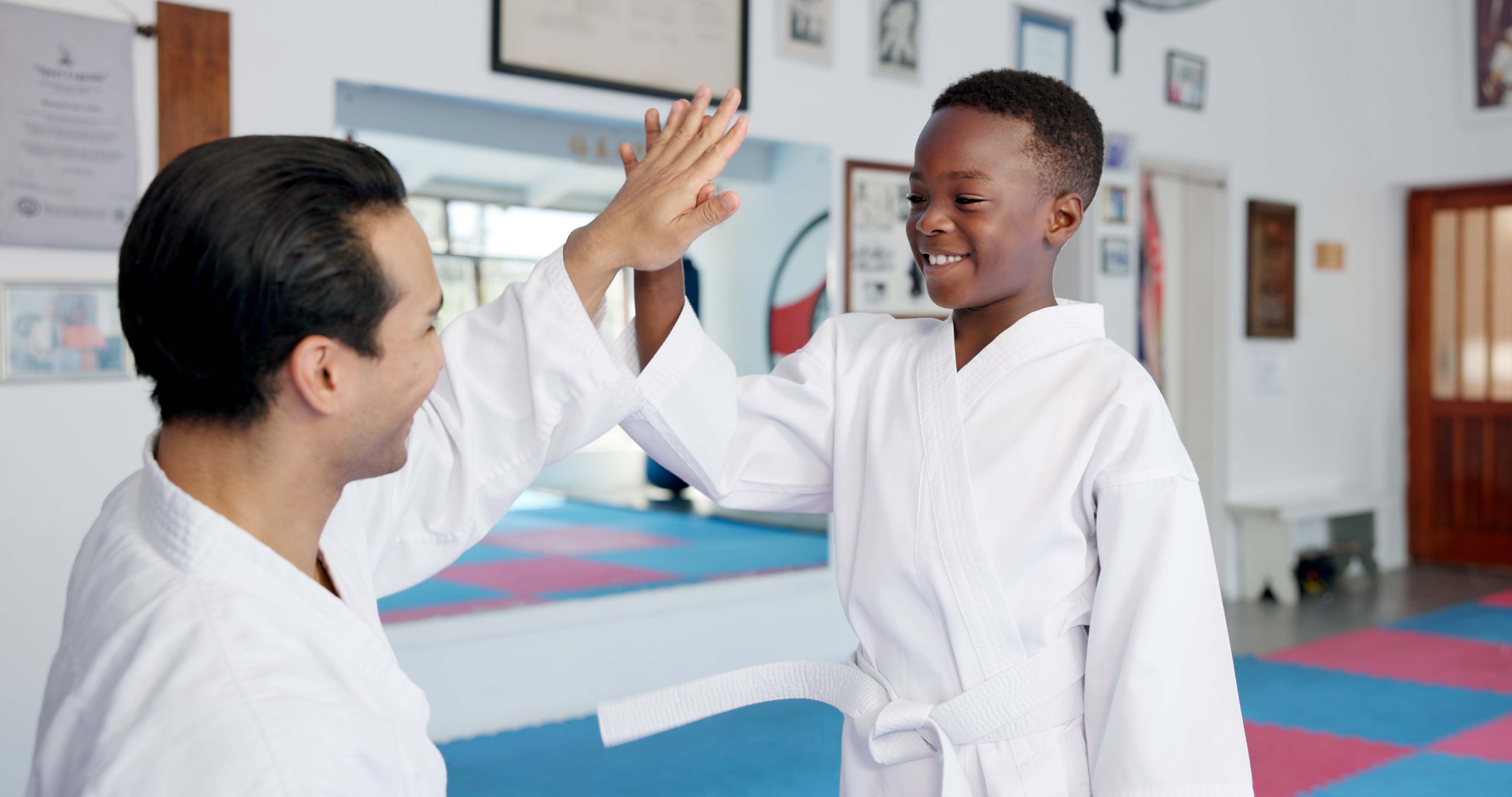
For example, if self-defense is your main focus, arts like Krav Maga or Brazilian Jiu-Jitsu might be more suitable. Conversely, if you're interested in fitness, Muay Thai or Capoeira could be the perfect fit. Knowing your goals will guide your journey and ensure you choose a martial art that aligns with your interests.
Types of Martial Arts
Martial arts can be broadly categorized into striking, grappling, or hybrid styles. Striking arts, such as Karate and Taekwondo, emphasize punches and kicks. Grappling arts like Judo and Brazilian Jiu-Jitsu focus on throws, locks, and ground control. Hybrid styles, such as MMA, combine elements of both striking and grappling.

Understanding these categories can help you select a martial art that matches your physical preferences and strengths. If you enjoy high-energy movements, a striking art might be best. If you prefer close-contact techniques, grappling could be your ideal choice.
Consider the Training Environment
The environment in which you train can significantly impact your martial arts experience. Consider factors like the school's culture, the instructor's teaching style, and the class size. Visit different schools, observe classes, and talk to instructors and students to get a feel for the atmosphere.
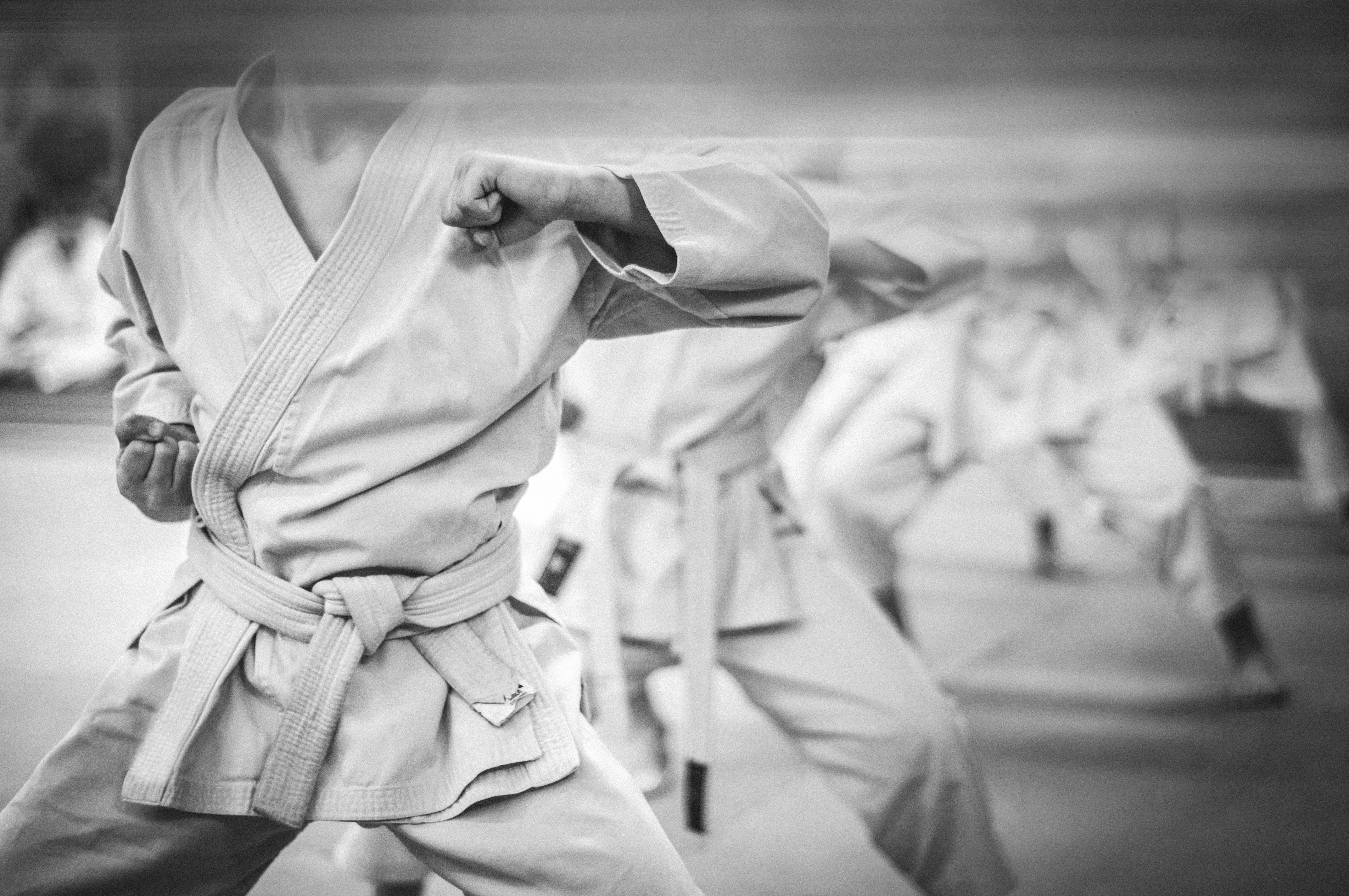
Additionally, some schools may offer trial classes, allowing you to experience the training firsthand. A supportive and motivating environment is crucial for long-term commitment and progress.
Assessing Physical and Time Commitments
Consider the physical demands and time commitments required for each martial art. Some styles may require a higher level of physical fitness and flexibility, while others may be more accessible to beginners. Ensure that the time commitment aligns with your schedule, as regular practice is essential for improvement.
It's also important to think about potential injuries and whether a particular martial art has a higher risk associated with it. Assessing these factors will help you choose a martial art that fits your lifestyle and physical capabilities.
Evaluating Costs
The cost of training can vary widely depending on the martial art and the school. Be sure to consider all expenses, including membership fees, equipment costs, and any additional expenses for competitions or seminars. Some martial arts may require specialized gear, which can add to the overall cost.
Comparing different schools and understanding their fee structures can help you make a financially informed decision. Remember that investing in quality instruction can enhance your learning experience and progression.
Seeking Recommendations and Reviews
Researching online reviews and seeking recommendations from friends or family can provide valuable insights into different martial arts schools. Personal experiences can highlight aspects of the training that you may not have considered.
Additionally, social media groups and forums can be excellent resources for gathering opinions and experiences from a broader community. This research can help you make an informed decision and find a martial art that resonates with you.